You know what the task is and you have the time. You have opened the file, and then you check your phone, reorganize the desk and answer an email that could have waited a week. An hour later the file is still open and still empty.
Procrastination as mood repair
Psychologists Fuschia Sirois and Timothy Pychyl describe procrastination as putting short-term mood ahead of long-term goals. The task brings up something unpleasant, such as boredom, doubt or the sense that it will be hard, and avoiding it makes that feeling go away at once. The cost passes to your future self.
So what you are dodging is how the work feels in the first few minutes, and the useful response is to make the start smaller, clearer and less loaded.
Step 1: make the first step small
«Write the essay» is a feeling, while «write the title» is a step. For the first few minutes the aim is only to get into the task. You could open the document and write one ugly sentence, read just the first page of the chapter, solve the first problem even if it is the easiest, or write the three headings you think the report needs. Once you are in, the next step is usually lighter than you expected.
Step 2: decide the when ahead of time
An implementation intention links a situation to an action, in place of a goal like «I’ll study more». For example: when I sit down at my desk after dinner, I’ll open my notes and start a 25-minute timer. A meta-analysis by Peter Gollwitzer and Paschal Sheeran (2006) pooled 94 independent tests and found that these when-then plans had a medium-to-large effect on following through. The decision is already made, so when the moment comes there is nothing to negotiate.
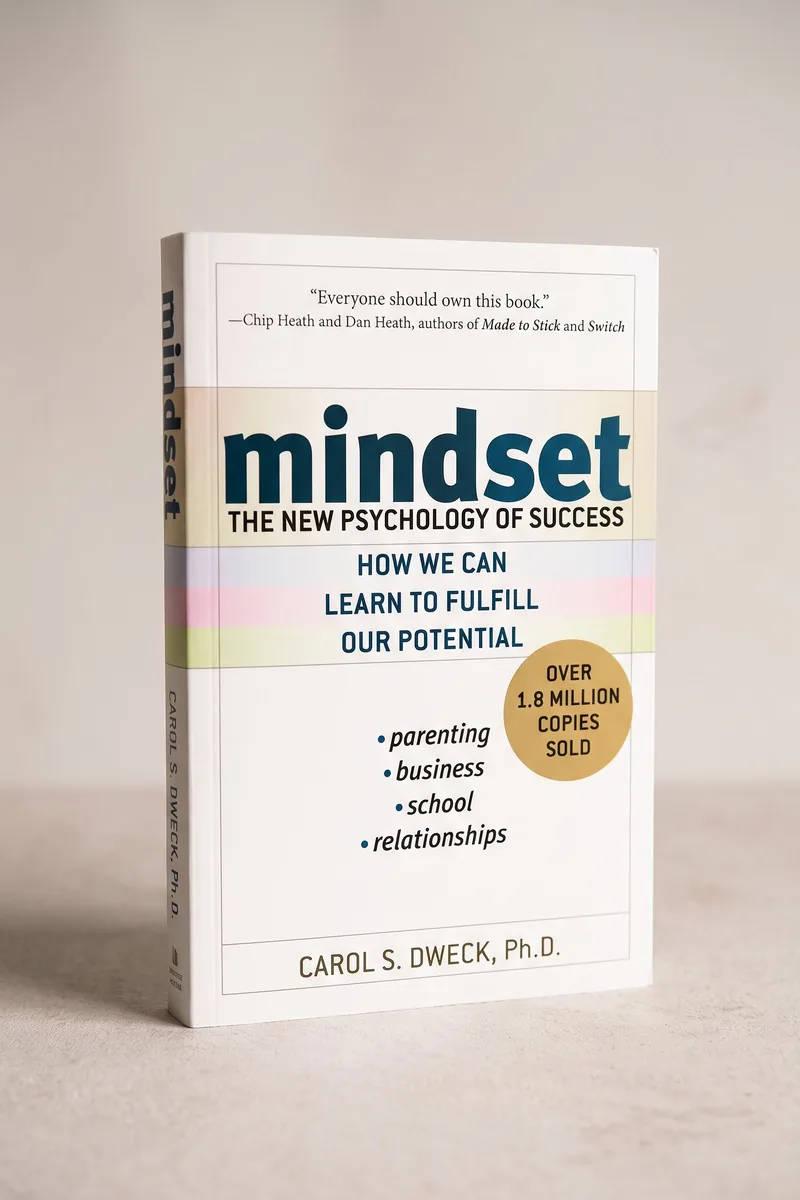
Atomic Habits by James Clear builds a system around the same idea and pairs it with habit stacking, and it stays practical throughout. It is here.
Step 3: settle the length beforehand
«How long should I work?» is one more question between you and starting. A short fixed block, with 25 minutes being plenty, keeps the commitment manageable, because you are only promising to stay for one block. If you want to keep going when it ends, good, and if not, you still started.
When starting is the hardest part
The gap between knowing what to do and starting is a well-known difficulty with ADHD. An external structure, such as a timer or a session someone else designed, takes one more decision off your plate. The same sound every time can become a cue for work time, and working alongside others, even silently, makes starting feel less solitary. None of this does the work for you, but it makes the first minute easier.
Try it tonight
Write your when sentence, pick the smallest first step and start a 25/5 session with brown noise.