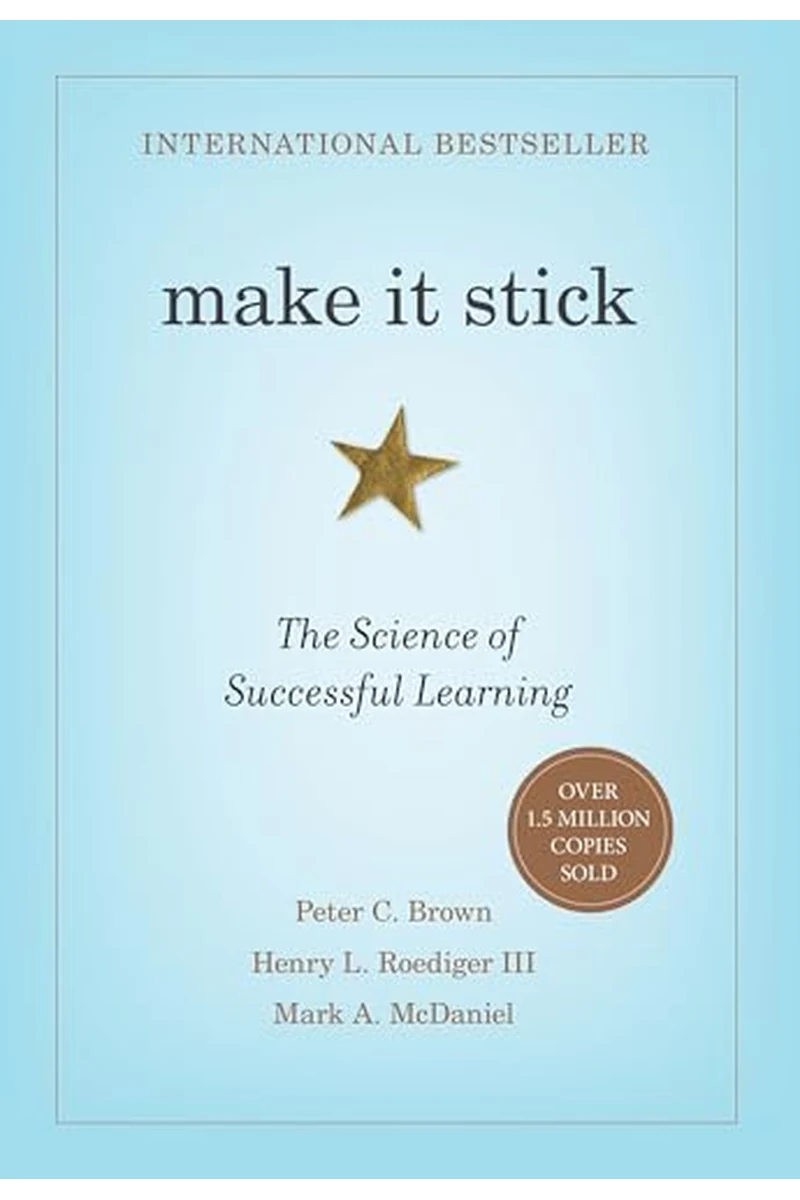
 Make It StickRereading and highlighting take time and leave little behind.View
Study techniques for 2027 exams
Practice testing and spreading revision over several days have the strongest evidence behind them. Rereading and highlighting rate lower. Timed blocks do not teach anything by themselves, but they make it easier to sit down and do the first two.
- Suggested rhythm
- 50/10
- Suggested sound
- Brown Noise
- Best for
- Exams and revision
What the research rates highest
A large review by Dunlosky and colleagues compared ten common study techniques (Improving Students’ Learning With Effective Learning Techniques, 2013). Practice testing and distributed practice were the two rated high utility. Interleaved practice, self-explanation and elaborative questions came out moderate. Highlighting, summarization and rereading were rated low.
Distributed practice means spreading the same amount of study over more days. Practice testing means pulling an answer out of memory before you check it.
A weekly plan with timed blocks
- 01List the topics for the week and give each one at least three separate sessions.
- 02Start every session with a blank page. Write what you remember, then open your notes and check.
- 03Spend the rest of the block on past papers or flashcards, not on rereading.
- 04Once the basics are in place, mix topics inside one session.
- 05Put the questions you got wrong at the top of the next session.
Which rhythm to use
50/10 suits most revision. 90/15 fits a full past paper. If starting is the hard part, begin with 25/5 and move up when it feels easy. The exam guide has more on block counts per day.
Highlighting and rereading
They feel productive because the text looks familiar, and familiar is easy to mistake for remembered. If you like highlighting, use it to mark what you will quiz yourself on later. Rereading versus active recall goes into this.
Sound while you study
Music with lyrics can compete with reading and memorizing. A steady sound such as brown noise or silence works for many people. Try both during one session and keep the one you stop noticing.
Gear that helps
Small things that remove distractions or make long sessions easier. The links are affiliate links: if you buy through them Luneia may earn a small commission, at no extra cost to you (details). More on our Essentials page.
Make It StickRereading and highlighting take time and leave little behind.View 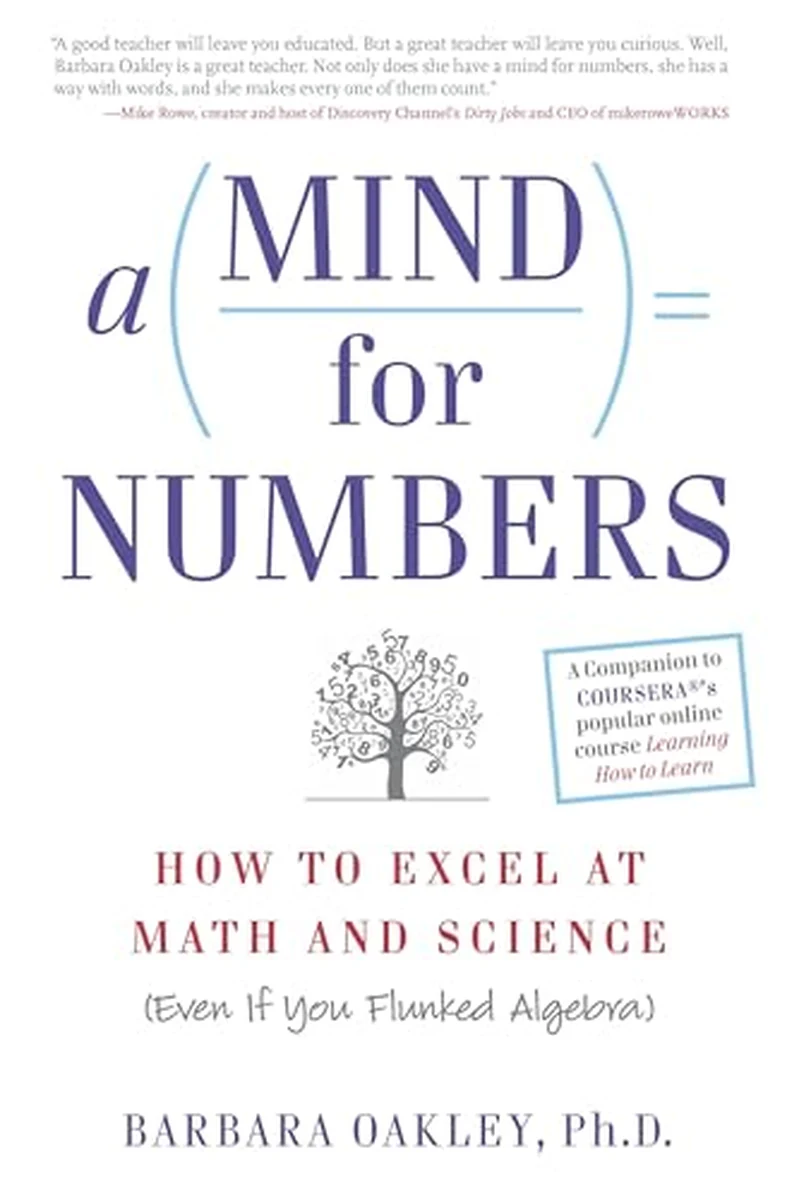 A Mind for NumbersMath and science feel hard to get into, so you put them off.View
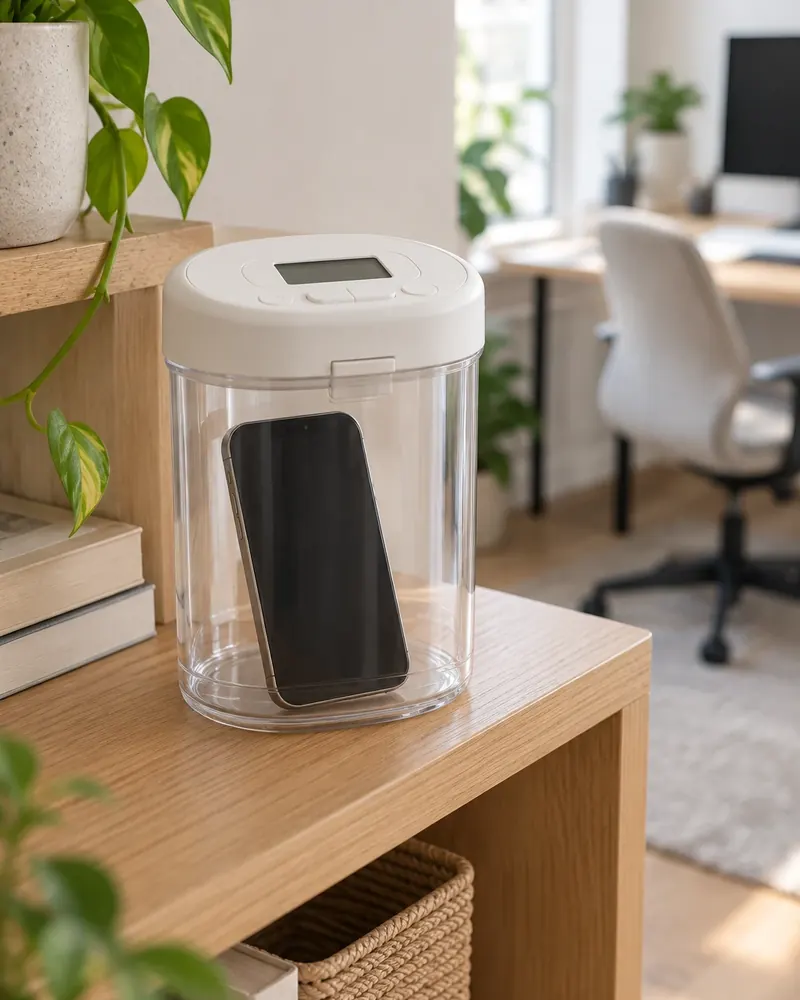 Timed lock box for your phoneChecking one notification can cut a 25-minute block short.View
 Small notepad by the keyboardA random thought sends you to a new tab, and you never come back.View
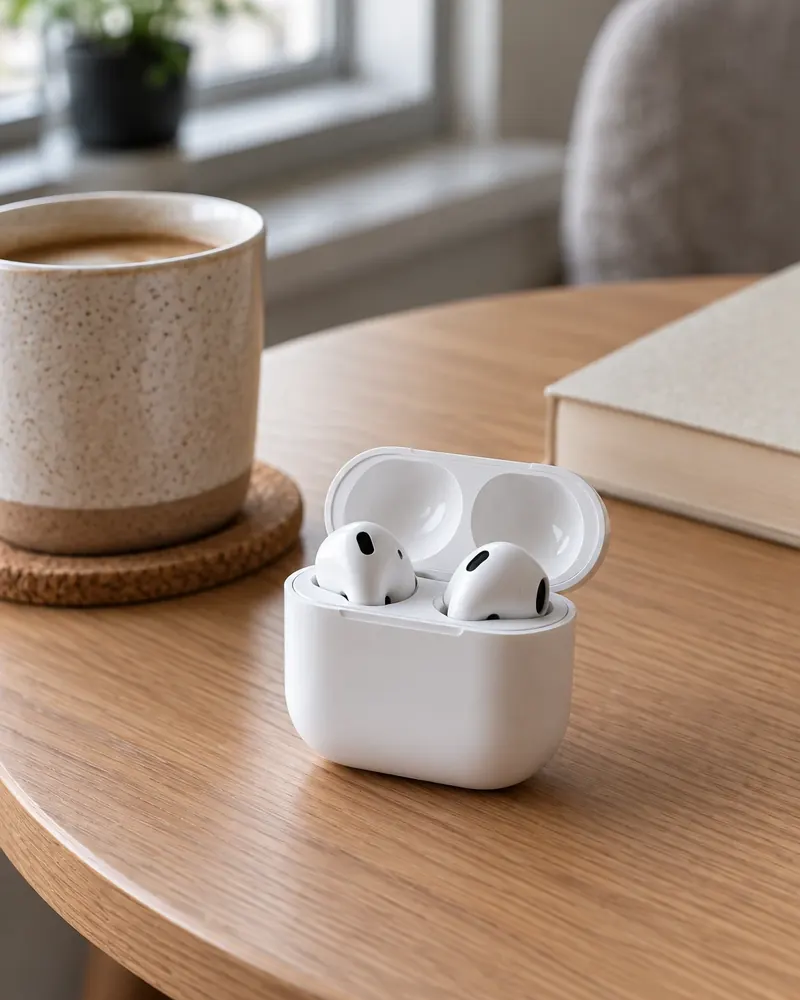 AirPods 4 with noise cancellingOver-ear headphones are too much to carry to a café or the library.View
 Hydro Flask insulated water bottle“I’ll just get some water” turns a short break into twenty minutes.View
Keep reading
Questions
Questions, answered.
What is the most effective way to study for exams?
Test yourself instead of rereading, and spread your sessions over several days. Practice testing and distributed practice were the two techniques rated highest in a large review of the research (Dunlosky et al., 2013).
Is the Pomodoro Technique good for studying?
It helps you start and keeps a session to a set length. It is a timing method and does not teach anything by itself, so pair it with practice testing.
Should I highlight my notes?
Highlighting was rated low utility in the same review, partly because it keeps you reading instead of recalling. If you do it, use it to mark what you will quiz yourself on later.
Which timer should I use for revision?
Open the free Pomodoro timer with 50/10 and brown noise selected, or play a long Luneia session.
Keep reading
Guides to go with it
Letters