There’s No “Best” Noise Color for Focus. Here’s How to Find Yours.
Brown, pink or white noise? Research hasn’t crowned a winner — and one popular study was retracted. Here’s what the evidence actually says, and a simple two-week test to find the sound that works for you.
This post contains affiliate links. If you buy through them I may earn a small commission, at no extra cost to you.
Search “best noise for focus” and you’ll get a confident answer in every direction.
Brown noise is the ADHD sound. Pink noise boosts memory. White noise is the classic.
Here’s the honest version: research hasn’t picked a winner. And that’s actually good news, because it means the right sound is the one that works for you — and you can find it in about two weeks.
First, what are you actually hearing?
All three are steady, random noise. The difference is where the energy sits.
- White noise has equal energy at every frequency. Because most frequencies are high, it sounds bright and hissy — like static or an air vent.
- Pink noise spreads its energy evenly across octaves. The top end is softer, so it sounds more like steady rain.
- Brown noise drops off fast as the pitch goes up. It’s mostly low end: a deep rumble, like a distant waterfall.
If you’d rather hear the difference than read about it, you can listen to all three side by side — it takes ten seconds and makes everything below click.
What the research actually says
Three findings are worth knowing.
1. No difference in how “activated” they make you
A 2025 lab study from UCL measured pupil dilation — a common marker of arousal — while people listened to white, pink and brown noise. They found no significant difference between the three. It’s a single study with short clips, so it isn’t the final word. But it doesn’t support the idea that one color is dramatically more stimulating.
2. A small benefit for some people — and a small cost for others
A 2024 meta-analysis pooled 13 studies and 335 participants. White and pink noise gave a small benefit on attention tasks for young people with ADHD or elevated attention problems. For people without those difficulties, performance was slightly worse. And there were no brown noise studies to include at all.
Noise isn’t a universal focus booster. For some brains it helps a little. For others, it gets in the way.
3. The brown noise study you might have seen was retracted
A 2025 paper suggesting brown noise produced more positive emotional responses was retracted because of problems with the audio stimuli. Plenty of articles still cite it. Now you know.
So why do so many people swear by brown noise?
Probably not because it changes your brain. More likely because it’s easy to ignore.
A deep, steady rumble covers low background noise — traffic, a fridge, a neighbor’s TV — without adding anything sharp for your attention to catch on. White noise masks more of the high-pitched stuff, like voices, but some people find the hiss tiring after an hour.
That’s the real question to ask: which sound can you stop noticing?
The two-week test
You don’t need a study. You need a short, honest experiment.
- Pick two sounds. If you’re unsure, start with brown and pink.
- Use each one for a week, for the same kind of work — reading, writing, problem sets.
- Keep the volume low. Just loud enough to cover the room. If you’re turning it up to “feel” it, it’s too loud.
- At the end of each session, ask one question: did I notice the sound, or did I forget it was there?
- Keep the one you forgot.
If both sounds keep pulling at your attention, that’s useful information too. Try rain, or a timer with alerts only and silence in between. Silence is a perfectly good background.
A note on headphones
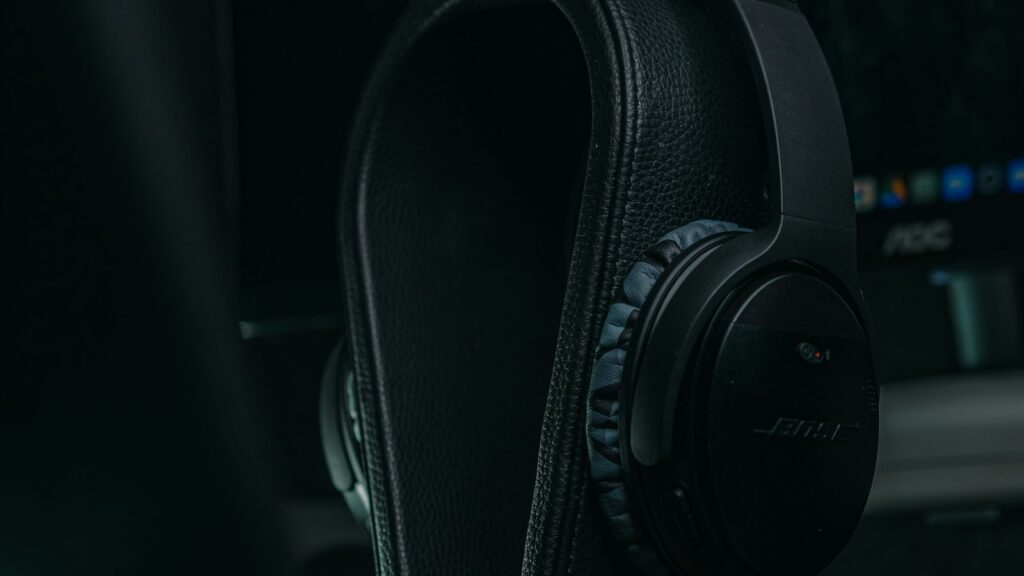
How you listen matters almost as much as what you listen to. Laptop speakers flatten brown noise into a faint hum, and they don’t block anything. If you work in a shared space, a pair of over-ear noise-cancelling headphones does a lot of the masking for you, so the noise can sit at a lower, more comfortable volume. If you just need to take the edge off a room, low-profile earplugs are a lighter option.
Start here
Pick the first sound for your test and run one session tonight:
- Brown noise sessions — deep and soft
- Pink noise sessions — balanced and smooth
- White noise sessions — bright, strongest masking
Then check back in two weeks. Your answer will be more useful than any headline.