The Right Noise for Focus Is the One You Stop Hearing
Brown, pink or white? A steady sound can make it much easier to settle into work — but every brain has its favorite. What each color does, why it helps, and a simple two-week test to find yours.
This post contains affiliate links. If you buy through them I may earn a small commission, at no extra cost to you.
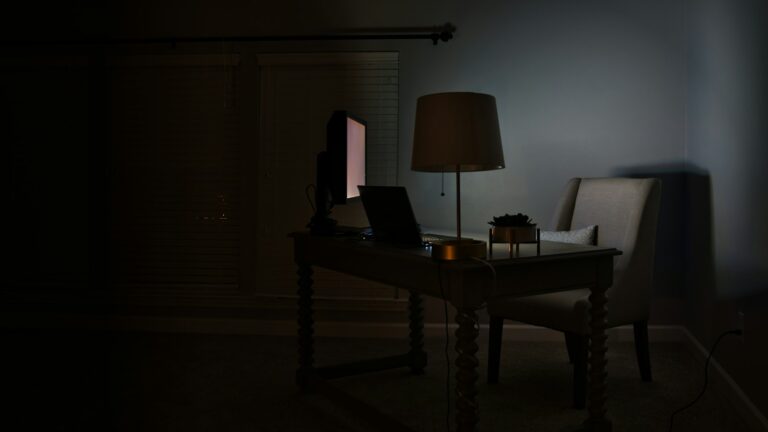
Some nights the room is too quiet. Every small sound — a car outside, the fridge, your own thoughts — pulls you away from the page.
Put on a steady sound, and something shifts. The room fades back. The task gets a little easier to stay with.
That’s why so many people study and work with noise in the background. The only real question is which one works for you — and that’s easier to find than it sounds.
First, what are you actually hearing?
All three are steady, random noise. The difference is where the energy sits.
- White noise has equal energy at every frequency. Because most frequencies are high, it sounds bright and hissy — like static or an air vent.
- Pink noise spreads its energy evenly across octaves. The top end is softer, so it sounds more like steady rain.
- Brown noise drops off fast as the pitch goes up. It’s mostly low end: a deep rumble, like a distant waterfall.
If you’d rather hear the difference than read about it, you can listen to all three side by side — it takes ten seconds and makes everything below click.
Why a steady sound helps
It covers the sounds that grab you. Attention doesn’t get pulled by steady sounds. It gets pulled by sudden ones: a voice, a door, a notification. A constant background smooths those edges out, so there’s less for your attention to catch on.
It becomes a cue. Use the same sound every time you work and it starts to mean something: this is focus time. Sitting down gets a little easier because the setting is already familiar.
It fills the silence. For a lot of people — many with ADHD among them — total silence isn’t calm. It’s loud in a different way. A soft sound gives the restless part of the mind something to rest on.
Research backs this up for many people. A 2024 meta-analysis that pooled 13 studies found that white and pink noise gave a measurable boost on attention tasks for young people with ADHD or attention difficulties.
Noise isn’t a cure for anything. It’s a tool — and for a lot of people, a surprisingly good one.
So which color is best?
The one you stop noticing. Different brains simply settle with different sounds:
- Brown is the easiest for many people to forget about. Deep, soft, no sharp edges — good for long sessions and late nights.
- White masks the most high-pitched noise, like voices and chatter. Great in busy places, best at a lower volume.
- Pink sits in between: balanced, smooth, a common favorite for studying.
That’s not a weakness of noise. It’s the reason there are three.
The two-week test
You don’t need to guess. You need a short, honest experiment.
- Pick two sounds. If you’re unsure, start with brown and pink.
- Use each one for a week, for the same kind of work — reading, writing, problem sets.
- Keep the volume low. Just loud enough to cover the room. If you’re turning it up to “feel” it, it’s too loud.
- At the end of each session, ask one question: did I notice the sound, or did I forget it was there?
- Keep the one you forgot.
If neither feels right, try something with a little more life in it, like rain or a fireplace. And on days when any sound feels like too much, alerts only keeps the timer and nothing else.
A note on headphones
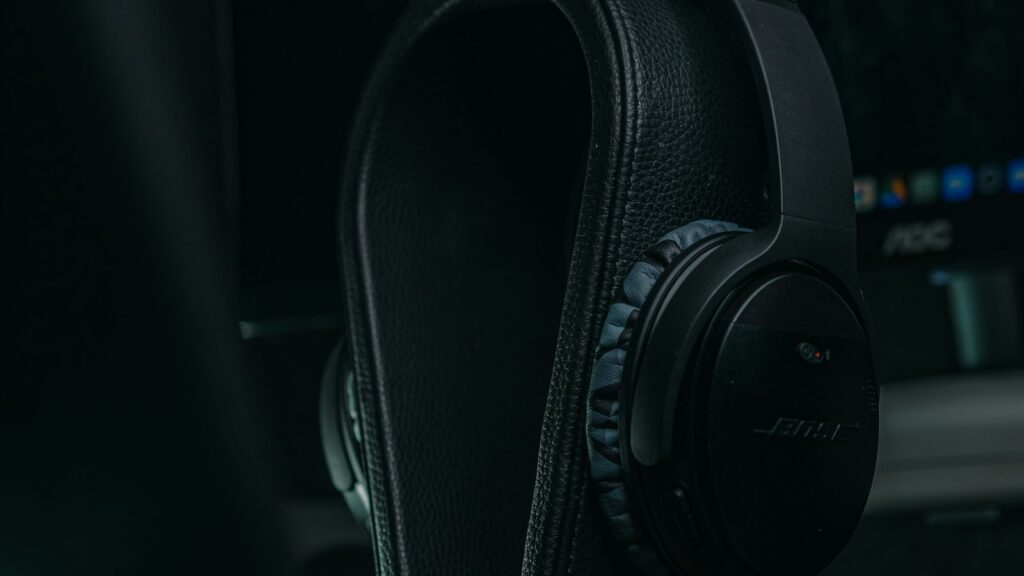
How you listen matters almost as much as what you listen to. Laptop speakers flatten brown noise into a faint hum, and they don’t block anything. If you work in a shared space, a pair of over-ear noise-cancelling headphones does a lot of the masking for you, so the noise can sit at a lower, more comfortable volume. If you just need to take the edge off a room, low-profile earplugs are a lighter option.
Start here
Pick the first sound for your test and run one session tonight:
- Brown noise sessions — deep and soft
- Pink noise sessions — balanced and smooth
- White noise sessions — bright, strongest masking
Two weeks from now, you’ll know your sound. That’s worth more than any headline.